9:00 AM
Arrive & set up
Sign in, sanitize your station, lay out and oil your tools. These are the daily habits that later pass a State Board sanitation check without a second thought — the professional reflexes you'll carry into any shop.
Guides · Student Life
A typical barber-student day mixes a short block of classroom theory — sanitation, hair and skin science, cutting principles — with a much longer block of hands-on practice, first on mannequins, then on real, diverse clients on the supervised training floor. Full-time students are on the floor most of the day and finish New York's 500 required hours in about four months; weekend students cover the identical curriculum across longer sessions over six to seven months. You spend far more time with clippers in your hand than in a lecture seat, because barbering is a skill you build by doing — one cut at a time.
Written by David Ayeoribe, Lead Senior Instructor & Director, ABI Notes from current students & floor instructors Last updated 2026
A Training Day by the Numbers
The whole program is built to move you from "I've never held clippers" to a licensed barber — a little more every single day.
The Real Worry
People deciding whether to train as a barber rarely lose sleep over the license on paper. They worry about the reality behind it.
Can I actually do this? What happens when a stranger sits in my chair? Will I keep up? The honest answer is that a good program is built — on purpose — to walk you from your first mannequin to a paying client's clean fade, gradually. You are never thrown in cold. You spend weeks building muscle memory with zero pressure before a real person ever sits down, and even then an instructor is at your shoulder. Here is what that looks like from the inside, hour by hour.
Hour by Hour
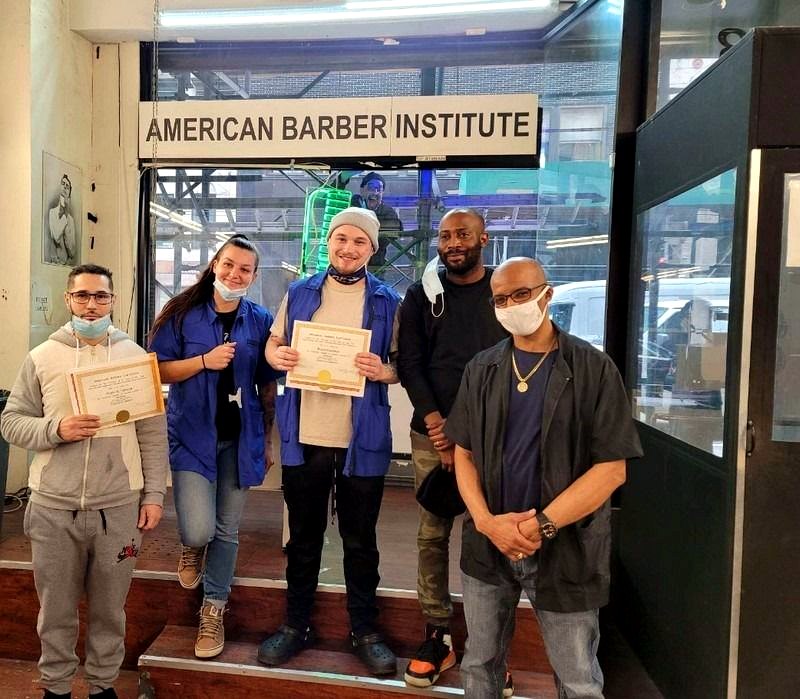
Schedules vary by program and by where you are in your 500 hours, but a representative full-time day runs something like this — heavy on the floor, light on the lecture seat.
9:00 AM
Sign in, sanitize your station, lay out and oil your tools. These are the daily habits that later pass a State Board sanitation check without a second thought — the professional reflexes you'll carry into any shop.
9:30 AM
A focused lesson: sanitation and infection control, skin and hair science, or a cutting principle. Short by design, but it's the "why" behind every technique — and the knowledge the written State Board exam tests you on.
10:15 AM
Your instructor demonstrates the day's technique on a model or mannequin, narrating each move. You leave with a clear, concrete picture of what "correct" actually looks like before you try it yourself.
10:45 AM
You drill the technique on a mannequin head — guard control, blending, lineups — until it starts to feel automatic. This is muscle memory with zero pressure, the stage that makes the real chair possible.
12:00 PM
Real haircuts on real, diverse clients with an instructor supervising. This is where speed, consultation skills and confidence are built — the difference between knowing a cut and being able to deliver it to a stranger.
2:00 PM
Rest, reset your station, and compare notes with classmates. The camaraderie of a shared floor is real, and it's a big part of what carries students through the harder weeks.
2:45 PM
Additional clients, and harder cuts as you progress. You build range across hair types, textures and styles — exactly the variety a New York City clientele demands the day you get licensed.
4:30 PM
Break down and disinfect your station, then record your training hours. Every logged hour counts toward the 500 that qualify you to sit the New York State Board exam.
The Progression
Nobody hands you a paying client on day one. The progression is deliberate — each stage builds the confidence for the next.
"The day a stranger sat down, you gave them a clean cut, and they walked out happy — that's when 'student' started to feel like 'barber.'"
Weeks 1–2 — the fundamentals. You start with the boring-but-essential foundation: sanitation, tool handling, safe technique, and your first cuts on mannequin heads. This is where guard control and clipper angles become second nature, so you're not thinking about them later when a real person is in the chair.
Mannequins to models. As your basics get consistent, you move to practice models and classmates. You learn to consult — reading what a client actually wants, checking hair type and growth patterns — which is as much a skill as the cutting itself.
The training floor. The turning point is the supervised floor. Clients come in for low-cost cuts knowing they're helping students learn, and an instructor is right there to guide, correct and step in. At ABI you train on a diverse mix of hair types and styles — invaluable range you can't get from a mannequin.
Around Your Life
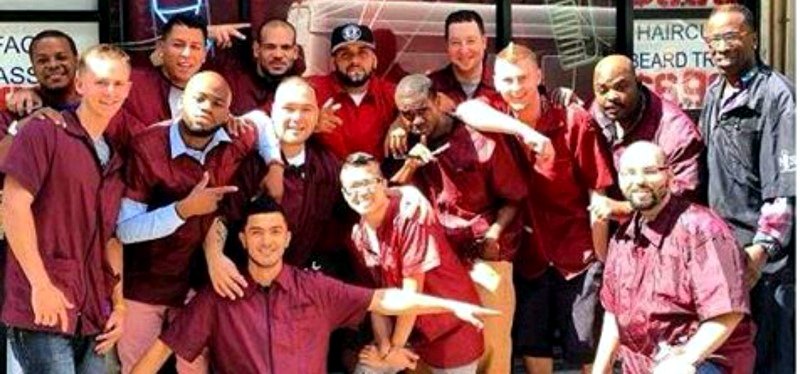
Not everyone can train full-time — and the day is structured differently if you can't, without watering anything down.
Weekend and part-time schedules cover the identical 500-hour curriculum across longer individual sessions and more calendar weeks. Full-time finishes in about four months; a weekend track in about six to seven months. The trade-off is time, not content: you still hit theory, mannequin work and supervised floor time — just spread to fit around a job or family. New classes start the first Monday of every month, so there's a natural on-ramp whatever your schedule. See how the tracks compare in how long barber school takes.
By the End
By the time you finish your hours, a day that once felt overwhelming is simply routine — and you've effectively been rehearsing for the State Board exam every day on the floor.
Sit a client down, read what they actually want, and check hair type and growth patterns before the first pass of the clipper.
Sanitize and lay out a station the way the exam — and every professional shop — expects, automatically.
Deliver fades, tapers, scissor work, lineups and straight-razor shaves across a diverse range of hair types.
Manage your time across back-to-back clients and carry yourself like the professional you're about to be licensed as.
Common Questions
It depends on your schedule. Full-time students typically train a full day, several days a week, and finish the 500 required hours in about four months. Weekend and part-time students attend longer individual sessions across more weeks, finishing in roughly six to seven months. Either way, most of the day is hands-on practice rather than lecture.
After you've built the fundamentals on mannequins and models. Once your basics are consistent, you move to the supervised training floor and cut real clients with an instructor guiding you — the point where confidence and speed really take off.
It's demanding in a good way — physical, hands-on and repetitive by design, because skill comes from reps. Most students find the theory manageable; the real challenge is patience, giving yourself enough reps to get fast and clean. If you enjoy working with your hands and with people, the days fly by.
Far more hands-on than theory. A typical day opens with a short theory block and an instructor demo, then spends the bulk of the hours on mannequin drills and supervised floor time. Barbering is a doing skill, so the schedule is built around reps with clippers and shears in your hand, not seat time.
Yes. You train on your own clippers, shears and supplies. See our beginner barber tool kit checklist for exactly what to buy and what your school typically provides at registration.
First Guard to First Client
American Barber Institute puts you on the floor with real, diverse clientele and instructors at your shoulder — the fastest focused path from your first guard to your first paying client. New classes start the first Monday of every month.
Keep Reading
The gear you'll use every day on the training floor, and what to buy first.
The full licensing roadmap — hours, the exam, and every step in order.
Full-time versus weekend tracks, compared week by week.
Where this training leads — the honest 2026 outlook.
Sources: New York State Department of State, Division of Licensing Services — Appearance Enhancement & Barbering. Verify current license hours and scope with the state before enrolling.
Classes begin the first Monday of each month
Next class starts soon. Seats fill fast — start your barber school enrollment, request a call, or speak with admissions in English or Spanish.